



The Philippine Automotive Landscape in 2026: A Decade of Transformation and Resilience
The automotive sector in the Philippines has always been a bellwether for the nation’s economic health, characterized by its dynamic interplay of global trends and localized market preferences. As we navigate 2026, the industry stands at a critical juncture, having weathered the unprecedented disruptions of the past few years. The lingering effects of the 2020 pandemic, coupled with the rapid acceleration of digital transformation and the pressing demands of sustainability, have reshaped the competitive dynamics, consumer behaviors, and technological expectations across the archipelago. This comprehensive analysis delves into the current state of the Philippine automotive market, exploring the shifts in sales performance, emerging consumer preferences, technological disruptions, and the strategic responses of key industry players.
A Resilient Market in a Shifting Paradigm
The Philippine automotive industry, represented by the Chamber of Automotive Manufacturers of the Philippines, Inc. (CAMPI), has demonstrated remarkable resilience in the face of economic headwinds. While the broader economy continues to navigate inflationary pressures and fluctuating consumer confidence, the auto sector has shown signs of stabilization and strategic adaptation. The initial shock of the 2020 pandemic, which saw a significant contraction in sales volume, has given way to a more nuanced market reality where volume alone no longer tells the full story.
In 2026, the narrative has shifted from sheer volume to value, innovation, and sustainability. The market is no longer solely defined by the number of units sold but by the quality of the vehicles, the sophistication of the technology, and the alignment with evolving environmental standards. This transition reflects a maturing market that is increasingly influenced by global trends while remaining deeply rooted in the unique socio-economic fabric of the Philippines.
The Competitive Arena: A Shifting Top Tier
The pecking order of automotive brands in the Philippines has undergone a notable transformation. While the dominance of Japanese manufacturers remains largely intact, a closer examination reveals subtle but significant shifts in market share and brand perception. The traditional powerhouses continue to command loyalty, but their positions are being challenged by a confluence of factors, including supply chain innovations, digital marketing prowess, and a growing demand for alternative powertrains.
Toyota Motor Philippines (TMP) continues to hold a commanding presence, leveraging its extensive dealer network and reputation for reliability. However, the brand’s dominance is being tested by competitors who are successfully capturing niche segments through targeted product offerings. The once-unassailable Toyota Vios, a perennial bestseller, now faces stiff competition from a new generation of subcompact sedans and crossovers that offer superior technology and fuel efficiency.
 The rise of the crossover segment has been one of the most defining trends of the past five years. What was once a niche category has evolved into the mainstream, driven by the Filipino consumer’s desire for versatile vehicles that can handle diverse driving conditions. This shift has benefited brands that have invested heavily in this segment, such as Mitsubishi, which has successfully repositioned its Montero Sport as a lifestyle vehicle rather than just a utilitarian SUV.
Furthermore, the increasing penetration of Chinese automotive brands has injected a new level of competition into the market. These brands, initially dismissed by some as low-quality alternatives, have rapidly closed the gap in terms of design, technology, and safety features. Their aggressive pricing strategies and innovative financing options have made them particularly attractive to younger, tech-savvy consumers who are price-sensitive but unwilling to compromise on modern amenities.
Technological Disruptions and the Electrification Imperative
The most significant disruption facing the Philippine automotive industry in 2026 is the inexorable march of electrification. While the transition from internal combustion engines (ICE) to electric vehicles (EVs) has been slower in the Philippines compared to more developed markets, the momentum is now undeniable. Several factors are converging to accelerate this shift, including government incentives, falling battery costs, and a growing awareness of environmental issues among the urban populace.
The Department of Energy’s Electric Vehicle Industry Development Act (EVIDA) has played a crucial role in stimulating the market, offering tax breaks and regulatory support for EV adoption. This policy framework has encouraged manufacturers to introduce a wider range of electric models, from compact city cars to commercial vans. As a result, the once-limited selection of EVs has expanded dramatically, providing Filipino consumers with more choices than ever before.
The charging infrastructure remains a critical bottleneck, but significant progress is being made. Major automotive groups are investing heavily in building charging networks, often in partnership with real estate developers and energy companies. This collaborative approach is essential for creating a seamless charging experience that can alleviate range anxiety, a primary concern for potential EV buyers.
Beyond full battery electric vehicles, hybrid technology is also gaining traction. Hybrid models offer a compelling middle ground for consumers who are not yet ready to commit to a fully electric vehicle. They provide the fuel efficiency benefits of electric power without the range limitations, making them particularly well-suited for the Philippine driving conditions. Brands that have successfully integrated hybrid technology into their popular models have seen a notable uptick in sales, demonstrating that consumer preferences are evolving to embrace electrification in stages.
Digital Transformation and the E-Commerce Revolution
The digital transformation of the automotive industry has accelerated at an unprecedented pace. The COVID-19 pandemic forced a rapid shift towards online car-buying experiences, and this trend has persisted and evolved in 2026. Consumers are now accustomed to conducting extensive research online, comparing models, and even completing significant portions of the purchase process through digital channels.
Automotive brands have responded by investing heavily in their online platforms. Virtual showrooms, augmented reality (AR) car configurators, and sophisticated online financing tools are becoming standard features. This digital-first approach allows consumers to interact with vehicles in new and engaging ways, replicating the in-dealership experience from the comfort of their homes.
The rise of automotive e-commerce platforms has also democratized the car-buying process. Platforms like AutoDeal, Carmudi, and Carousell have become indispensable resources for Filipino car shoppers, providing transparent pricing information, user reviews, and seamless transaction capabilities. These platforms have forced traditional dealerships to enhance their digital presence and improve their customer service standards to remain competitive.
Furthermore, the integration of artificial intelligence (AI) and big data analytics is revolutionizing the industry. AI-powered recommendation engines help consumers find the perfect vehicle for their needs, while predictive analytics enable manufacturers to optimize production and inventory management. This data-driven approach is allowing brands to anticipate market trends and respond with greater agility.
Consumer Preferences: A Quest for Value and Versatility
The rise of the crossover segment has been one of the most defining trends of the past five years. What was once a niche category has evolved into the mainstream, driven by the Filipino consumer’s desire for versatile vehicles that can handle diverse driving conditions. This shift has benefited brands that have invested heavily in this segment, such as Mitsubishi, which has successfully repositioned its Montero Sport as a lifestyle vehicle rather than just a utilitarian SUV.
Furthermore, the increasing penetration of Chinese automotive brands has injected a new level of competition into the market. These brands, initially dismissed by some as low-quality alternatives, have rapidly closed the gap in terms of design, technology, and safety features. Their aggressive pricing strategies and innovative financing options have made them particularly attractive to younger, tech-savvy consumers who are price-sensitive but unwilling to compromise on modern amenities.
Technological Disruptions and the Electrification Imperative
The most significant disruption facing the Philippine automotive industry in 2026 is the inexorable march of electrification. While the transition from internal combustion engines (ICE) to electric vehicles (EVs) has been slower in the Philippines compared to more developed markets, the momentum is now undeniable. Several factors are converging to accelerate this shift, including government incentives, falling battery costs, and a growing awareness of environmental issues among the urban populace.
The Department of Energy’s Electric Vehicle Industry Development Act (EVIDA) has played a crucial role in stimulating the market, offering tax breaks and regulatory support for EV adoption. This policy framework has encouraged manufacturers to introduce a wider range of electric models, from compact city cars to commercial vans. As a result, the once-limited selection of EVs has expanded dramatically, providing Filipino consumers with more choices than ever before.
The charging infrastructure remains a critical bottleneck, but significant progress is being made. Major automotive groups are investing heavily in building charging networks, often in partnership with real estate developers and energy companies. This collaborative approach is essential for creating a seamless charging experience that can alleviate range anxiety, a primary concern for potential EV buyers.
Beyond full battery electric vehicles, hybrid technology is also gaining traction. Hybrid models offer a compelling middle ground for consumers who are not yet ready to commit to a fully electric vehicle. They provide the fuel efficiency benefits of electric power without the range limitations, making them particularly well-suited for the Philippine driving conditions. Brands that have successfully integrated hybrid technology into their popular models have seen a notable uptick in sales, demonstrating that consumer preferences are evolving to embrace electrification in stages.
Digital Transformation and the E-Commerce Revolution
The digital transformation of the automotive industry has accelerated at an unprecedented pace. The COVID-19 pandemic forced a rapid shift towards online car-buying experiences, and this trend has persisted and evolved in 2026. Consumers are now accustomed to conducting extensive research online, comparing models, and even completing significant portions of the purchase process through digital channels.
Automotive brands have responded by investing heavily in their online platforms. Virtual showrooms, augmented reality (AR) car configurators, and sophisticated online financing tools are becoming standard features. This digital-first approach allows consumers to interact with vehicles in new and engaging ways, replicating the in-dealership experience from the comfort of their homes.
The rise of automotive e-commerce platforms has also democratized the car-buying process. Platforms like AutoDeal, Carmudi, and Carousell have become indispensable resources for Filipino car shoppers, providing transparent pricing information, user reviews, and seamless transaction capabilities. These platforms have forced traditional dealerships to enhance their digital presence and improve their customer service standards to remain competitive.
Furthermore, the integration of artificial intelligence (AI) and big data analytics is revolutionizing the industry. AI-powered recommendation engines help consumers find the perfect vehicle for their needs, while predictive analytics enable manufacturers to optimize production and inventory management. This data-driven approach is allowing brands to anticipate market trends and respond with greater agility.
Consumer Preferences: A Quest for Value and Versatility
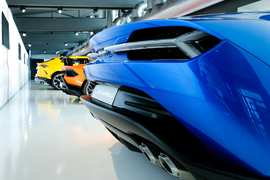 The preferences of Filipino car buyers in 2026 are a complex tapestry of traditional values and modern demands. While price remains a critical factor, consumers are increasingly prioritizing value, which encompasses not only the initial purchase price but also long-term ownership costs, reliability, and resale value.
The concept of “value” has expanded to include a wider range of features and technologies. Safety is no longer a luxury but a baseline expectation. Advanced driver-assistance systems (ADAS), such as automatic emergency braking, lane departure warning, and adaptive cruise control, are becoming increasingly common, even in lower-priced segments. This shift reflects a growing awareness of safety standards and a demand for vehicles that offer comprehensive protection for families.
Connectivity and in-car technology are also major drivers of consumer choice. Smartphone integration, particularly Apple CarPlay and Android Auto, is now a standard feature, allowing drivers to seamlessly access their digital lives while on the road. In-car infotainment systems are becoming more sophisticated, with larger touchscreens, intuitive interfaces, and built-in navigation.
Resale value continues to be a significant consideration for Filipino buyers, particularly those who view their vehicles as investments. Brands with a long history of reliability and strong residual values maintain a distinct advantage. This factor helps explain the enduring popularity of established Japanese brands, even as newer competitors offer more advanced features at lower prices.
The Rise of the “Lifestyle” Vehicle
The traditional segmentation of vehicles into distinct categories is becoming increasingly blurred. The lines between sedans, SUVs, and MPVs are being redrawn as manufacturers introduce “crossover” models that combine elements of multiple vehicle types. This trend reflects a desire for versatility and adaptability in a rapidly changing market.
For example, the rise of the compact crossover has been a defining feature of the past few years. These vehicles offer the elevated driving position and cargo flexibility of an SUV but with the fuel efficiency and maneuverability of a sedan. They are ideally suited for navigating congested urban environments while still providing the capability for weekend getaways.
Furthermore, the concept of the “utility vehicle” has evolved beyond its traditional definition. The traditional AUVs, once the workhorses of the Philippine automotive landscape, are being replaced by more sophisticated crossovers that offer greater comfort and technology. This shift indicates a move away from purely utilitarian transportation towards vehicles that serve as mobile extensions of the modern Filipino lifestyle.
Sustainability and Corporate Responsibility
Sustainability is no longer a peripheral concern but a central element of corporate strategy in the Philippine automotive industry. The growing awareness of climate change and air pollution is driving demand for more environmentally responsible transportation options. Automotive brands are responding by investing in cleaner technologies and adopting more sustainable manufacturing processes.
The transition to electric vehicles is the most visible manifestation of this commitment, but it extends to other areas as well. Manufacturers are increasingly focused on reducing the environmental impact of their supply chains, optimizing logistics to minimize fuel consumption, and implementing recycling programs for end-of-life vehicles.
Corporate social responsibility (CSR) initiatives are also playing a significant role in shaping brand perception. Brands that are actively involved in community development, environmental conservation, and educational programs are viewed more favorably by Filipino consumers. This trend reflects a broader societal shift towards conscious consumption, where purchasing decisions are influenced not only by product quality but also by a company’s values and social impact.
Challenges and Opportunities Ahead
The preferences of Filipino car buyers in 2026 are a complex tapestry of traditional values and modern demands. While price remains a critical factor, consumers are increasingly prioritizing value, which encompasses not only the initial purchase price but also long-term ownership costs, reliability, and resale value.
The concept of “value” has expanded to include a wider range of features and technologies. Safety is no longer a luxury but a baseline expectation. Advanced driver-assistance systems (ADAS), such as automatic emergency braking, lane departure warning, and adaptive cruise control, are becoming increasingly common, even in lower-priced segments. This shift reflects a growing awareness of safety standards and a demand for vehicles that offer comprehensive protection for families.
Connectivity and in-car technology are also major drivers of consumer choice. Smartphone integration, particularly Apple CarPlay and Android Auto, is now a standard feature, allowing drivers to seamlessly access their digital lives while on the road. In-car infotainment systems are becoming more sophisticated, with larger touchscreens, intuitive interfaces, and built-in navigation.
Resale value continues to be a significant consideration for Filipino buyers, particularly those who view their vehicles as investments. Brands with a long history of reliability and strong residual values maintain a distinct advantage. This factor helps explain the enduring popularity of established Japanese brands, even as newer competitors offer more advanced features at lower prices.
The Rise of the “Lifestyle” Vehicle
The traditional segmentation of vehicles into distinct categories is becoming increasingly blurred. The lines between sedans, SUVs, and MPVs are being redrawn as manufacturers introduce “crossover” models that combine elements of multiple vehicle types. This trend reflects a desire for versatility and adaptability in a rapidly changing market.
For example, the rise of the compact crossover has been a defining feature of the past few years. These vehicles offer the elevated driving position and cargo flexibility of an SUV but with the fuel efficiency and maneuverability of a sedan. They are ideally suited for navigating congested urban environments while still providing the capability for weekend getaways.
Furthermore, the concept of the “utility vehicle” has evolved beyond its traditional definition. The traditional AUVs, once the workhorses of the Philippine automotive landscape, are being replaced by more sophisticated crossovers that offer greater comfort and technology. This shift indicates a move away from purely utilitarian transportation towards vehicles that serve as mobile extensions of the modern Filipino lifestyle.
Sustainability and Corporate Responsibility
Sustainability is no longer a peripheral concern but a central element of corporate strategy in the Philippine automotive industry. The growing awareness of climate change and air pollution is driving demand for more environmentally responsible transportation options. Automotive brands are responding by investing in cleaner technologies and adopting more sustainable manufacturing processes.
The transition to electric vehicles is the most visible manifestation of this commitment, but it extends to other areas as well. Manufacturers are increasingly focused on reducing the environmental impact of their supply chains, optimizing logistics to minimize fuel consumption, and implementing recycling programs for end-of-life vehicles.
Corporate social responsibility (CSR) initiatives are also playing a significant role in shaping brand perception. Brands that are actively involved in community development, environmental conservation, and educational programs are viewed more favorably by Filipino consumers. This trend reflects a broader societal shift towards conscious consumption, where purchasing decisions are influenced not only by product quality but also by a company’s values and social impact.
Challenges and Opportunities Ahead
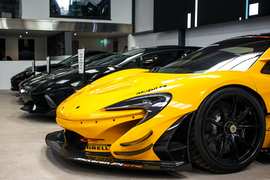 Despite the progress made in 2026, the Philippine automotive industry faces several significant challenges. The global supply chain remains vulnerable